
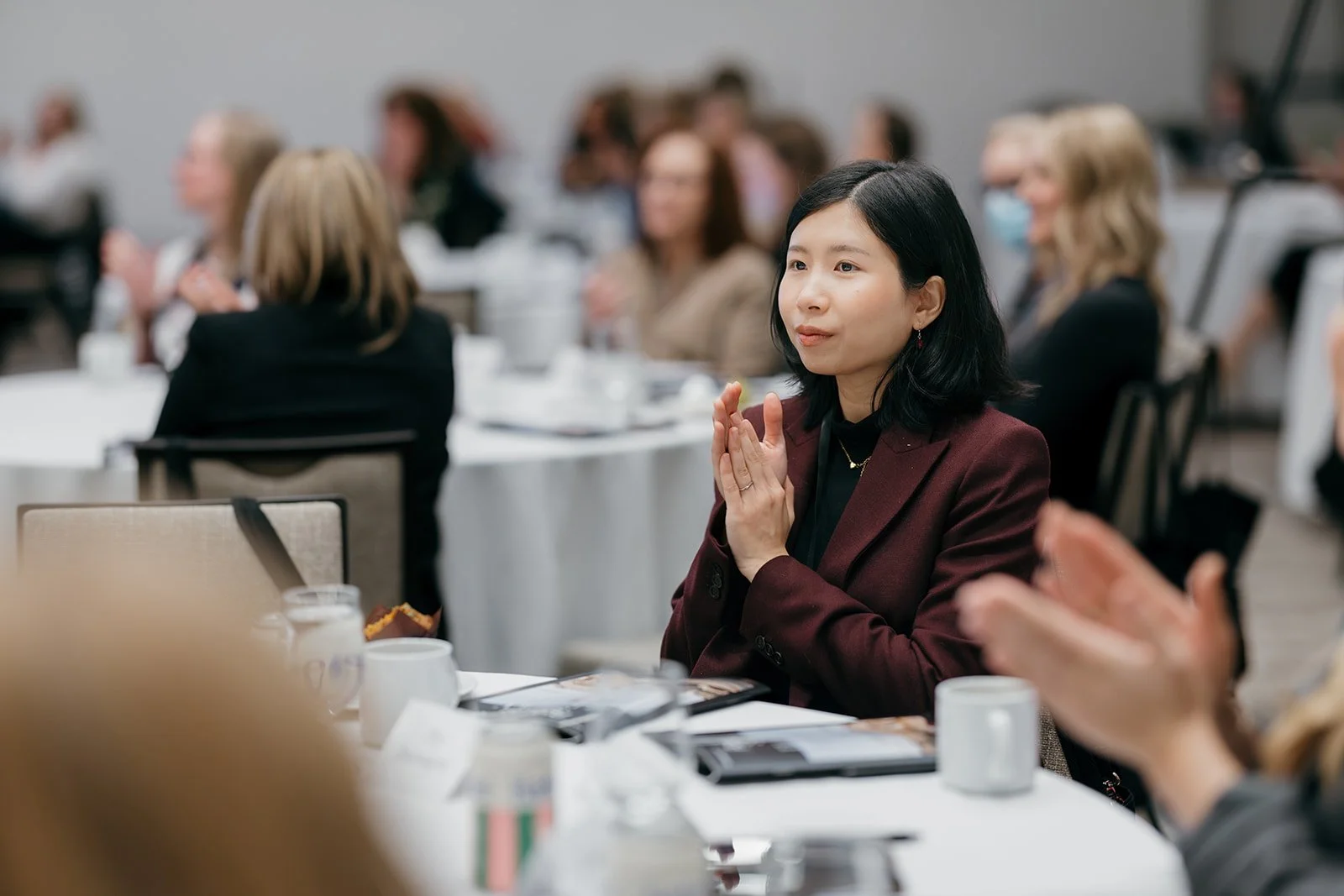
Who owns capital in Canada shapes which companies grow, which ideas get funded, and who builds lasting wealth. Changing who owns capital means changing what's possible for our economy.
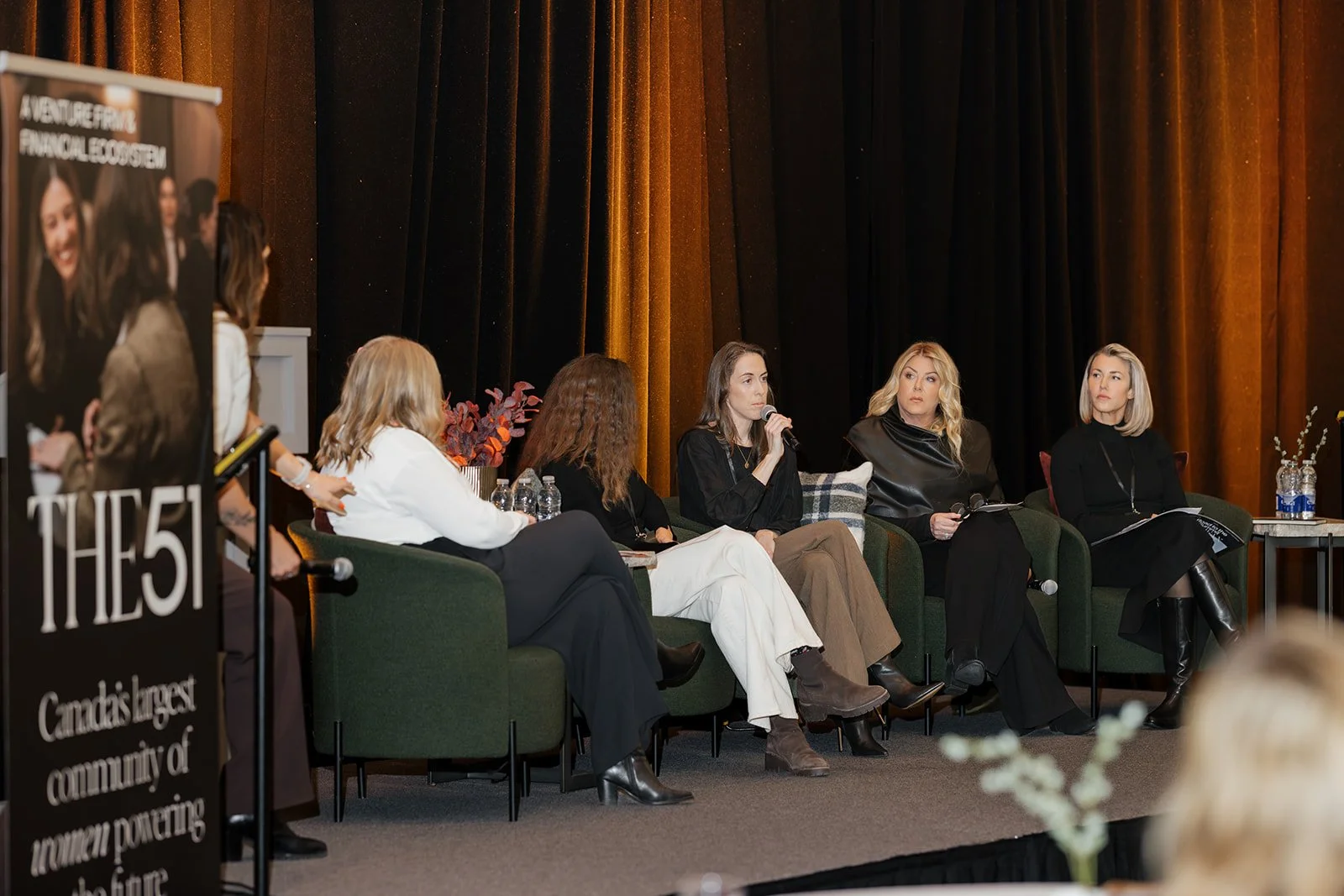
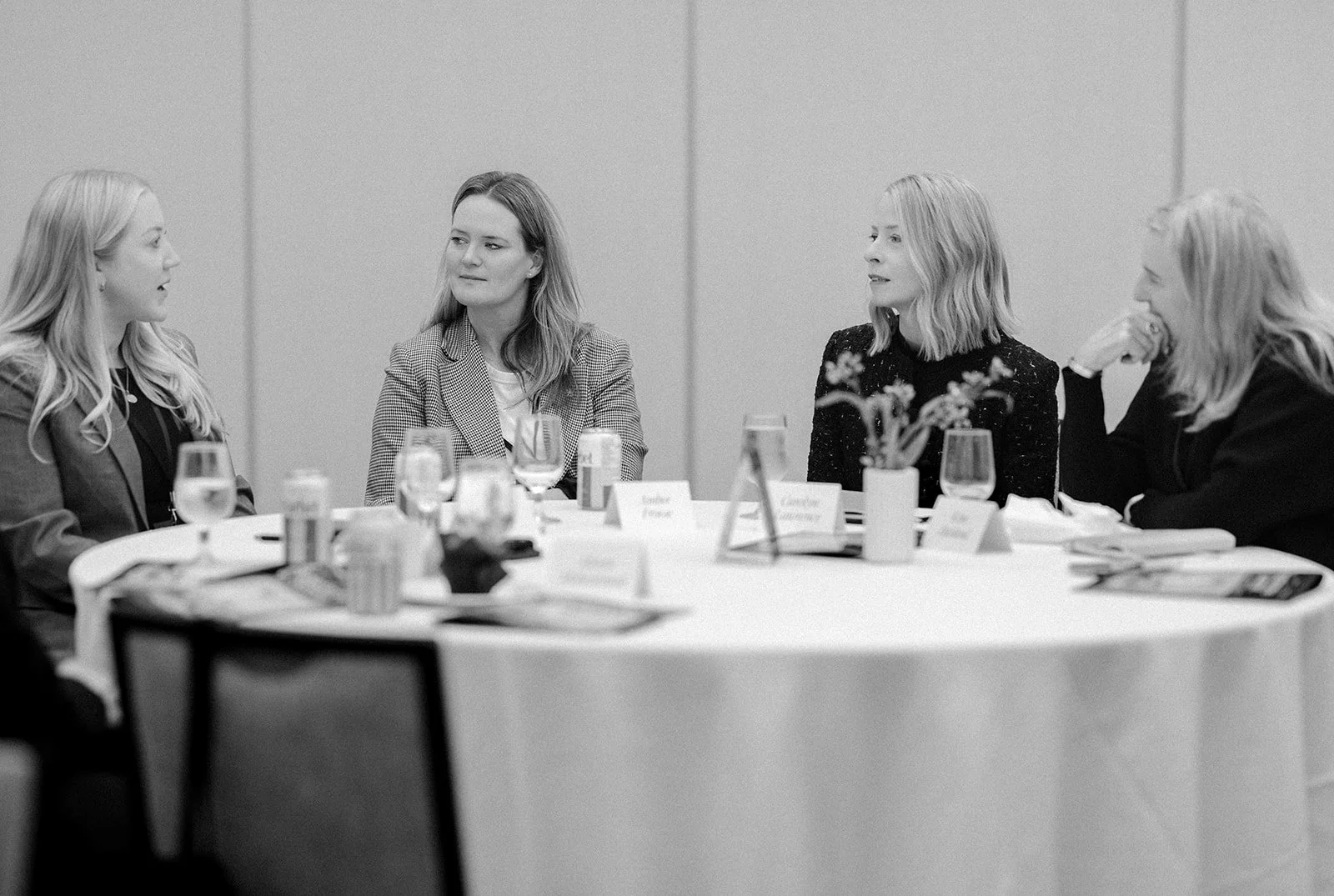
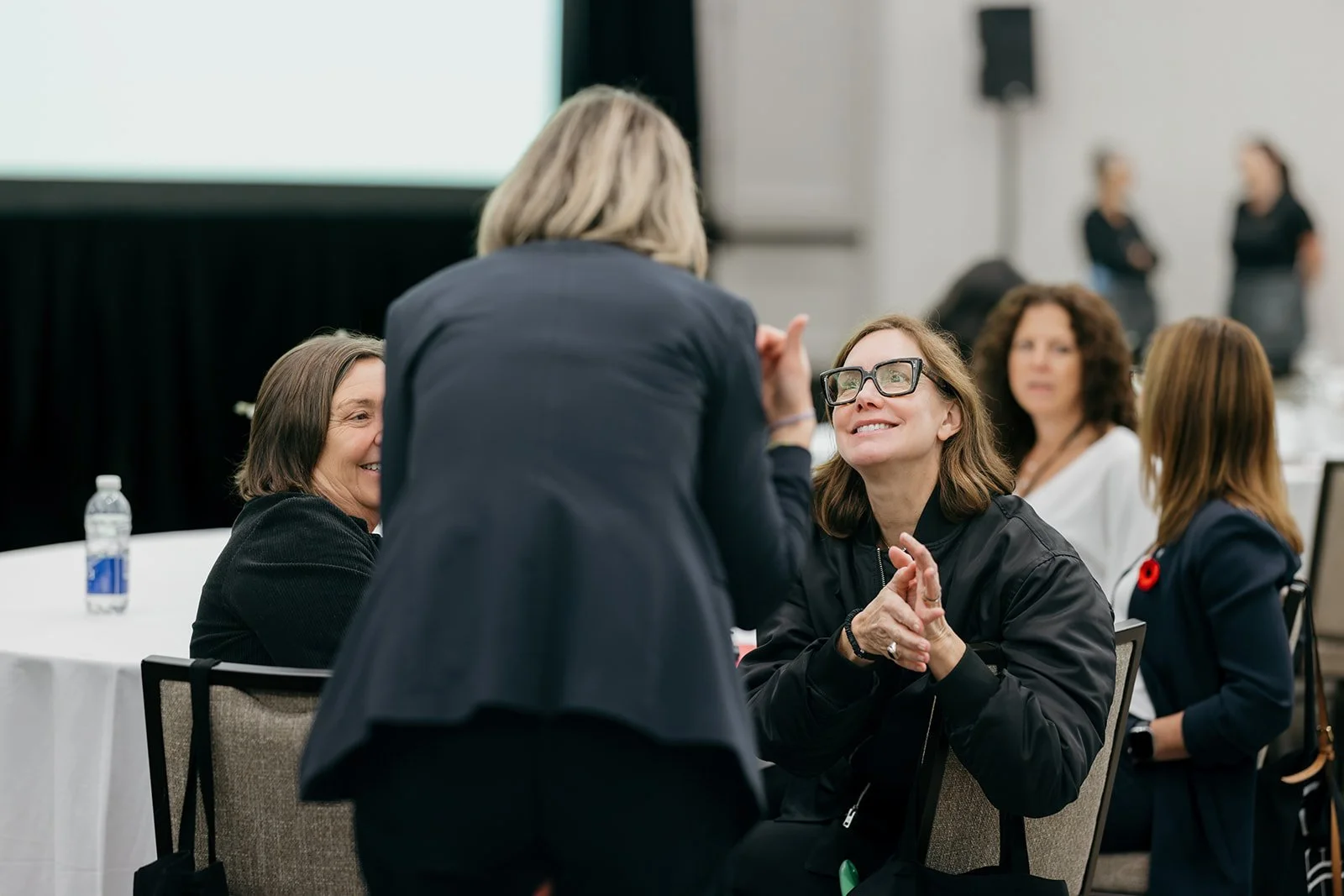
On November 5, The51 brought the Road to the Summit to Halifax for the first stop of its Atlantic Canada series, bringing together investors, founders, executives, and community leaders to explore what it takes to move from participating in the economy to owning a meaningful part of it.
From conversations about ocean innovation and entrepreneurship to investing in women's health and rethinking the systems that support working women, Halifax brought together perspectives from across Atlantic Canada's business and investment community.
Throughout the day, one idea kept surfacing: ownership is as much about how we act as what we hold.
Here are four lessons from the room.
1. Ownership starts with agency
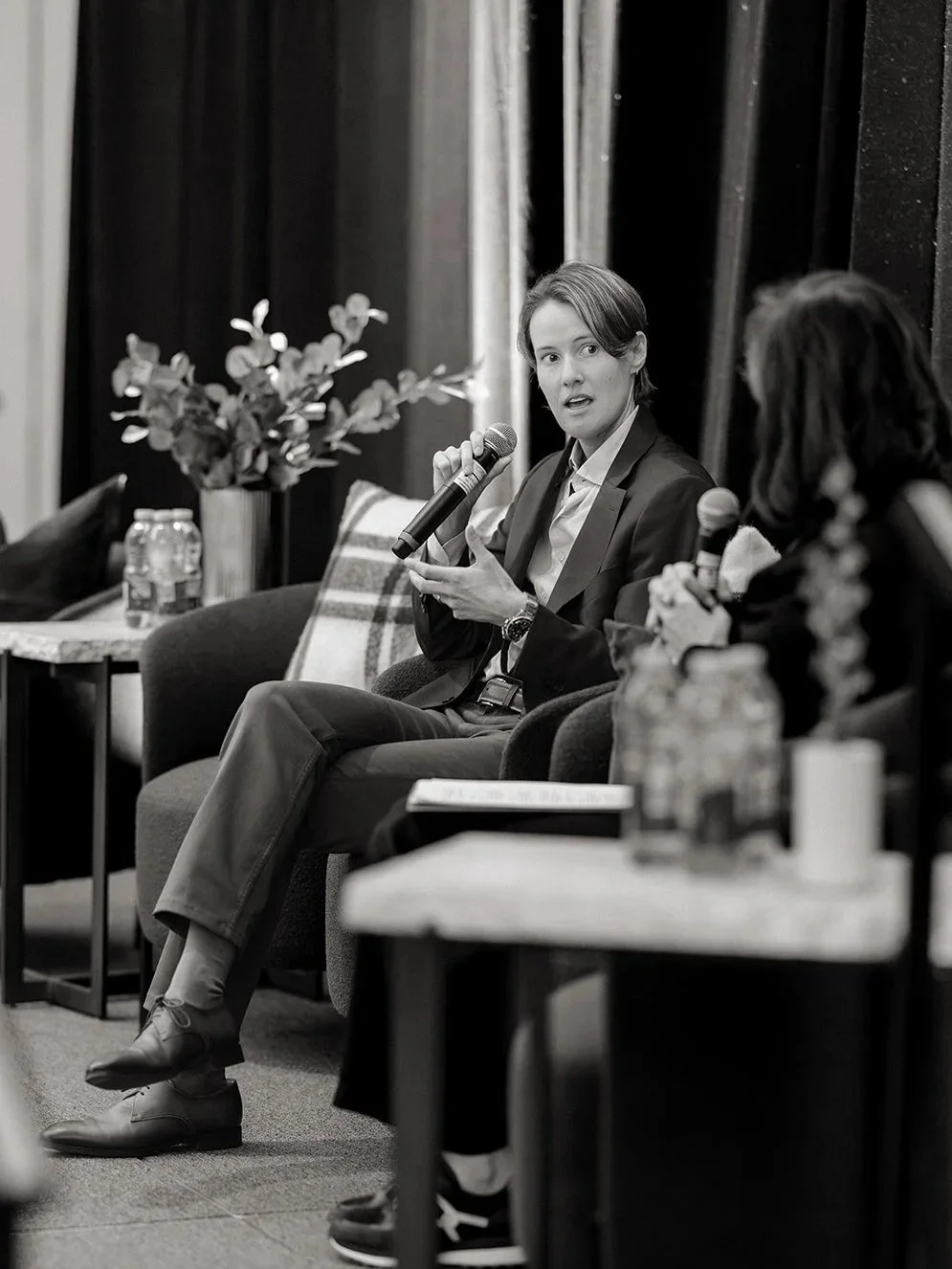
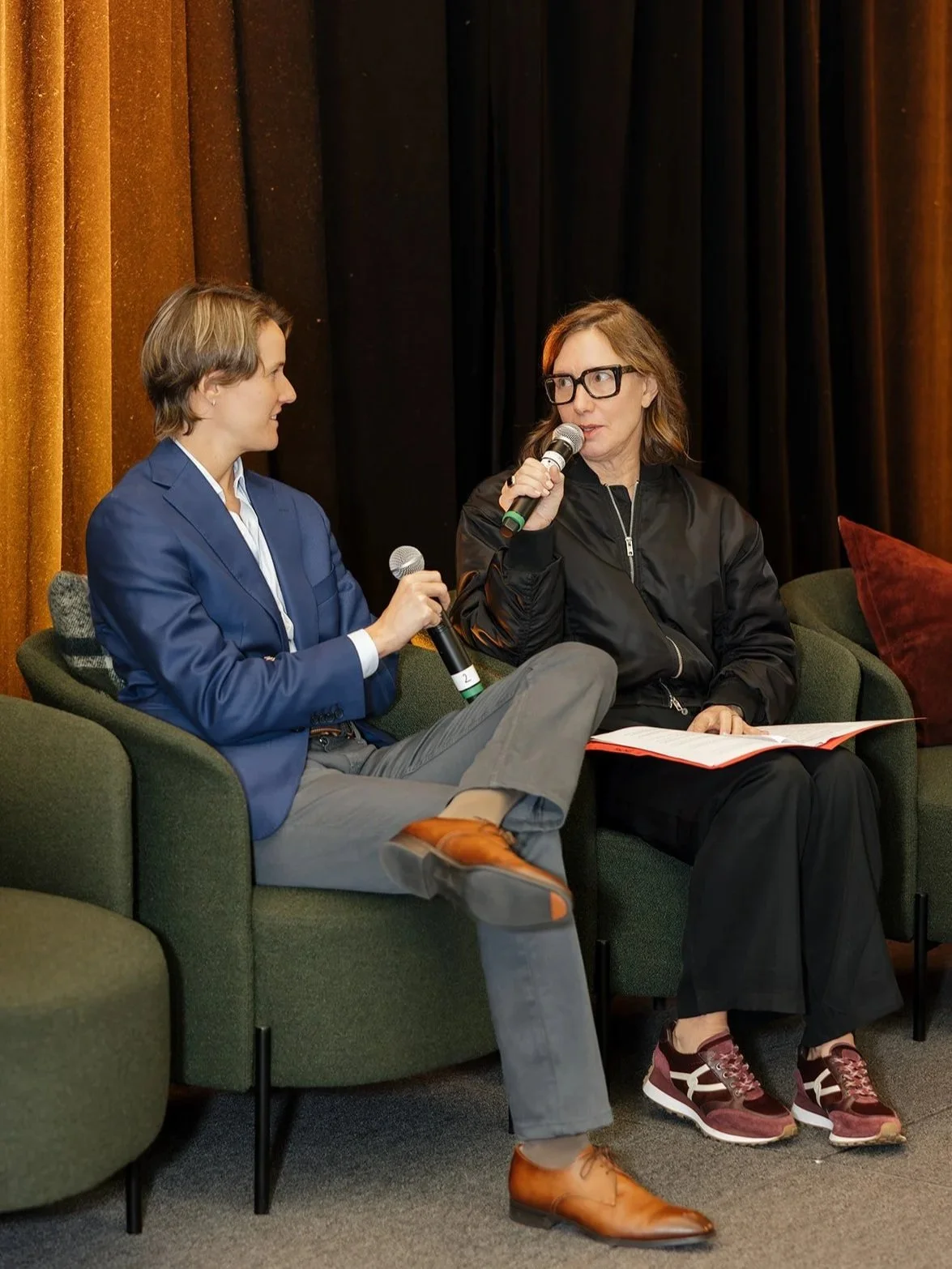
For Jen McCain, board director, advisor, and family office principal at JSM Capital Corporation, ownership begins well before an investment is made.
"Ultimately, it's about accountability and agency," she said. "I'd describe agency as part of ownership."
Whether you're making your first investment or managing generational wealth, owning capital means taking an active role in shaping what it does. It's about understanding what you're investing in, why it matters, and the influence you have as an investor.
Capital is a tool for change. Knowing how to use it is where ownership begins.
2. Investing in overlooked markets
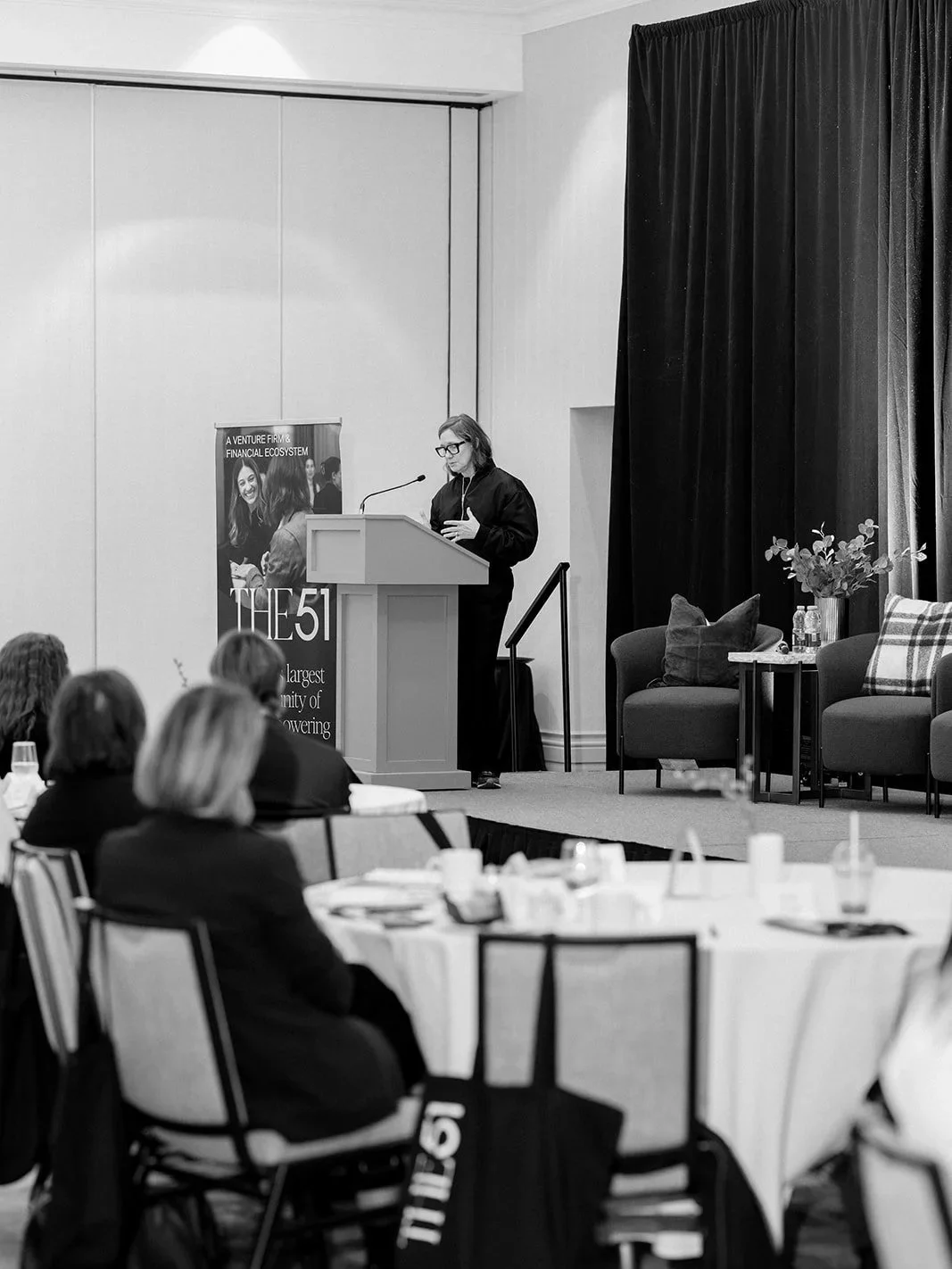
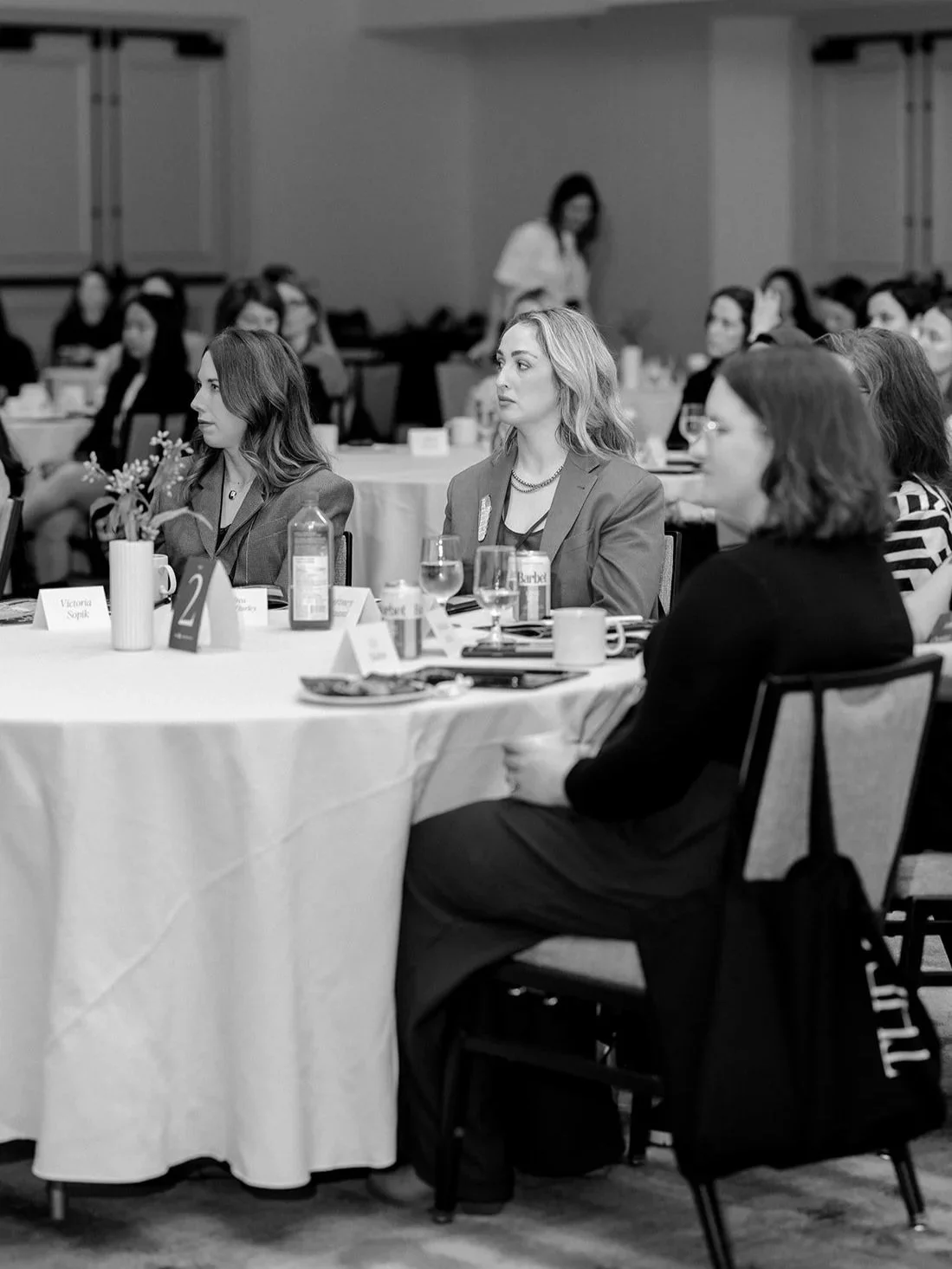
Shelley Kuipers, co-founder and CEO of The51, connected ownership to one of the most significant opportunities in investing: recognizing value where others have historically overlooked it.
She shared how The51 developed its Fund III thesis around three areas: health, wealth, and work.
"As we developed our Fund III thesis, three areas stood out," she said. "These are areas where women's experiences have often been underserved."
For too long, women's needs and experiences have been underrepresented in investment decisions. Yet these gaps represent significant opportunities for innovation, business growth, and value creation.
When more women own and deploy capital, we expand the perspectives informing investment decisions, the markets we recognize, and the companies we build.
At The51, we see women's economic participation and capital ownership as more than a question of representation. We see an investment opportunity.
3. Recognizing what holds us back from ownership
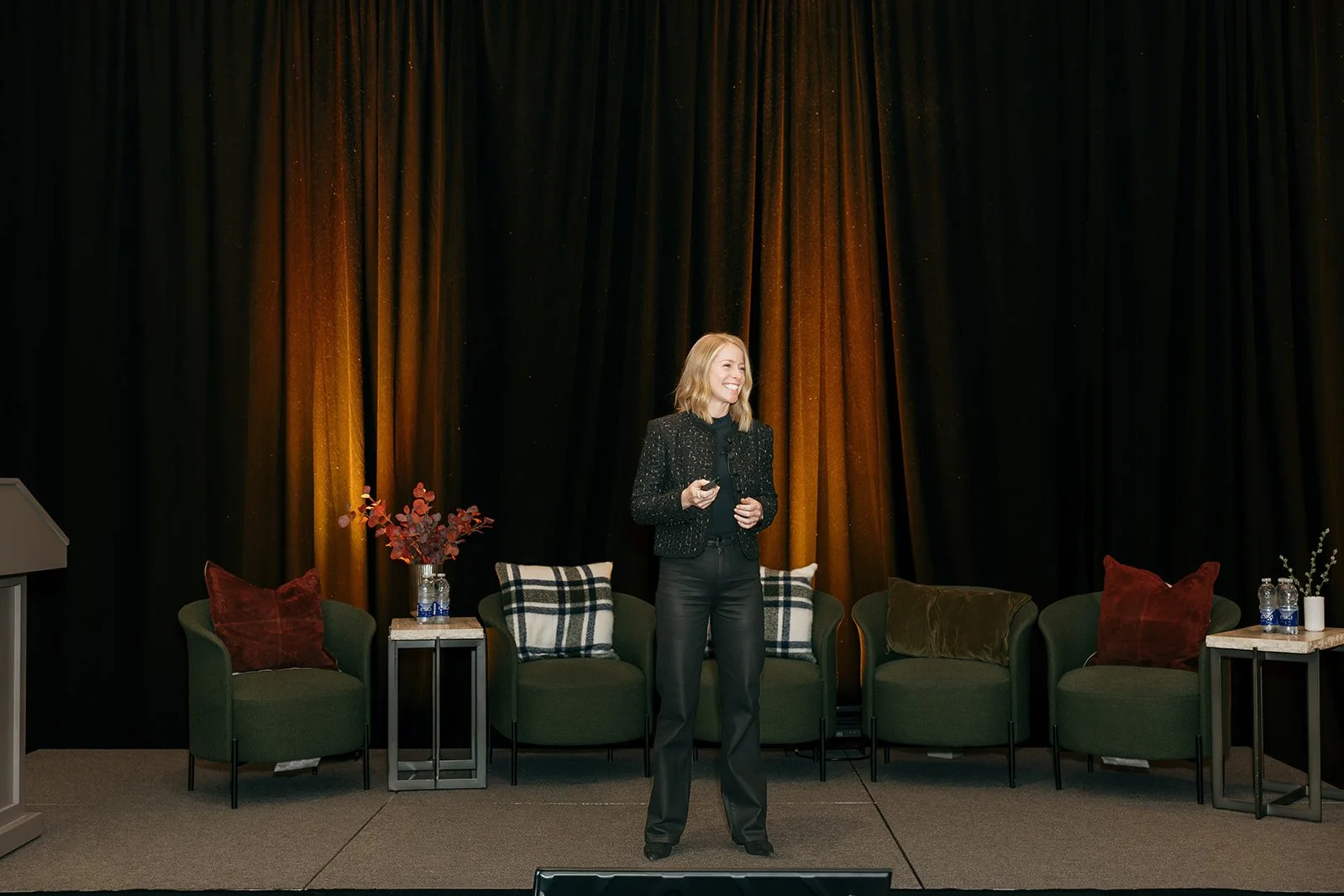
In her keynote, Carolyn Lawrence, impact strategist at Clear Path, drew on her own experience to help attendees recognize what she called "invisible barriers" to performance.
She encouraged the room to look beyond meeting expectations and consider whether their work reflects what they are truly capable of. Her advice was practical: slow down, focus on the process, and the outcomes will follow.
It's a perspective that extends to how we approach wealth, investing, and leadership. Expanding women's capital ownership requires us to address systemic barriers while also recognizing our own capacity to make decisions, take risks, and exercise economic influence.
Building a more equitable financial future means challenging both the systems that have historically limited women's participation and the assumptions about who gets to be an investor, an owner, or a decision-maker.
4. Ownership means opening doors for others
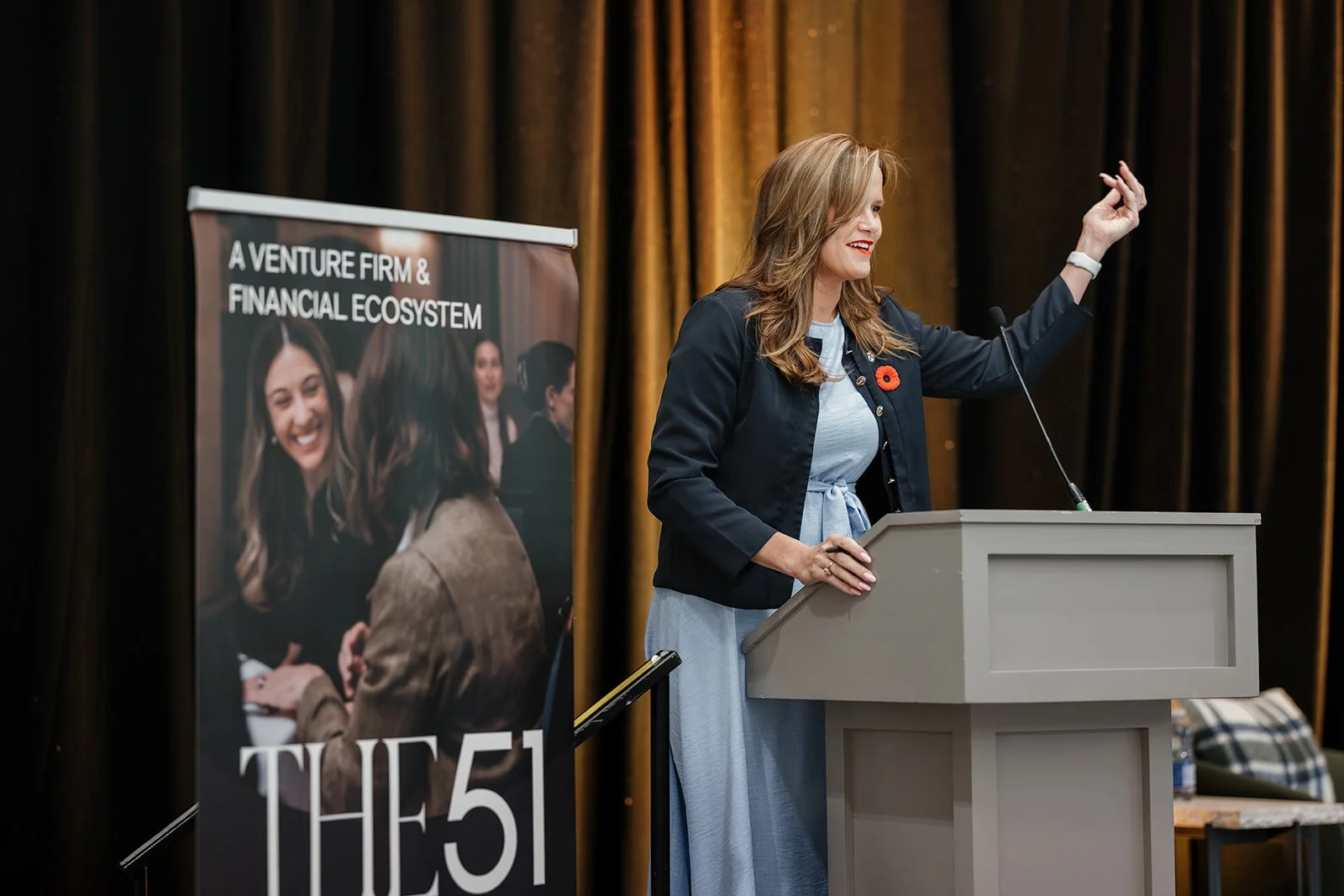
The Honourable Leah Martin, Nova Scotia cabinet minister, spoke candidly about her own path and why women's economic participation matters to her.
"Not long ago, I would have been far too nervous to walk into a room with women like you," she said. "I admired you from a distance and wanted to be like you, and I still do."
Her reflection captured something that ran throughout the day: the women in the room were building opportunities for others as well as for themselves.
One of the most tangible examples came during a conversation between Victoria Sopik, co-founder and CEO of Kids & Company, and Valerie Malone, president of the Halifax Tides. Recognizing an opportunity to support the team's players, Victoria offered them free childcare.
A conversation became a commitment.
It was a powerful example of what happens when women with resources, influence, and decision-making power come together. They can identify a need and act on it.
Throughout the day, speakers also spoke openly about caregiving, motherhood, and the additional responsibilities many women navigate alongside building businesses, careers, and wealth.
These conversations are fundamental to women's economic participation. How we invest in the systems that support women influences their ability to build businesses, pursue opportunities, and accumulate wealth.
Ownership gives us the power to help shape those systems.
Building what comes next
Halifax was a reminder that changing who owns capital also changes what capital can accomplish.
Across Canada, women are building companies, deploying capital, leading institutions, and creating opportunities for others. The opportunity before us is to connect that collective economic power and put more of it to work.
That's what the Road to the Summit is about: bringing together regional investment communities, connecting capital with opportunity, and building a future in which more women participate in the economy as investors, decision-makers, and owners.
At The51, we're building that future together.
Halifax was one stop on that road. The work continues.
The Road to the Summit continues in 2027. Join us as we build the next chapter of women's capital ownership in Canada.